
How Sports Medicine in Podiatry Helps You Recover

October 12, 2026

Sports medicine in podiatry helps athletes recover from foot and ankle injuries through accurate diagnosis, personalized treatment, rehabilitation, and prevention. A podiatrist evaluates how your bones, joints, muscles, footwear, training, and movement patterns interact, then creates a plan to reduce pain and safely return you to activity.

Sports medicine in podiatry helps an athlete recover

What does sports medicine in podiatry treat?

Sports medicine podiatry focuses on injuries and conditions affecting the foot, ankle, lower leg, and the way you move. These problems can develop suddenly during competition or gradually through repetitive stress.

Common concerns include:

  • Sprained ankles and recurring ankle instability
  • Achilles tendonitis and other tendon injuries
  • Stress fractures and overuse injuries
  • Plantar fasciitis and persistent foot pain
  • Shin pain, running injuries, and exercise-related inflammation
  • Flat feet, bunions, or alignment issues that affect performance

A podiatrist can also help when discomfort is not caused by one obvious injury. Small changes in stride, strength, flexibility, or footwear may create stress that builds over time. The sports injuries page offers more information about common athletic conditions.

Why see a podiatrist for a sports injury?

The foot and ankle absorb substantial force with every step, jump, and change of direction. A podiatrist specializes in this complex area and can identify the source of pain rather than simply treating the most noticeable symptom.

During an evaluation, your provider may consider:

  • How and when the injury started
  • Your sport, training schedule, and recent activity changes
  • Walking, running, balance, and range of motion
  • Strength and flexibility in the foot, ankle, and lower leg
  • Shoe wear patterns and athletic footwear
  • Previous injuries or medical conditions

This whole-person assessment can help you avoid returning too soon or repeating the same injury. For symptoms that interfere with daily life, learn more about foot pain and ankle pain .

The recovery process

1. Diagnosis and injury assessment

Recovery begins with a clear diagnosis. Your podiatrist may perform a physical examination and, when appropriate, recommend imaging or other testing. Understanding the injured tissue and severity helps determine whether you need activity modification, therapy, bracing, medication, or additional care.

2. Pain and inflammation management

Early treatment often focuses on controlling symptoms while protecting the injured area. Depending on your condition, recommendations may include rest from aggravating activity, ice, compression, elevation, supportive footwear, or a brace. Your provider can explain which options are appropriate and how long to use them.

Do not use pain relief as permission to push through an injury. Pain that worsens, changes your gait, or continues despite rest deserves professional evaluation.

3. Rehabilitation and strength building

Once symptoms improve, rehabilitation helps restore movement, strength, balance, and confidence. Exercises may target the calf, ankle stabilizers, arches, hips, or core because movement problems can involve more than the painful spot.

A gradual program may include:

  1. Gentle range-of-motion exercises
  2. Mobility and stretching work
  3. Strengthening with body weight or resistance bands
  4. Balance and coordination drills
  5. Sport-specific movements and controlled impact

Progress should be based on function, not a calendar alone. Your podiatrist or physical therapist can help determine when it is safe to increase intensity.

How long does recovery take?

Recovery time depends on the diagnosis, severity, treatment plan, overall health, and demands of your sport. A mild strain may improve in a few weeks, while a stress fracture, significant tendon injury, or recurring ankle problem may require several months.

A useful return-to-activity plan usually progresses from low-impact movement to normal training. Before returning fully, you should generally be able to walk comfortably, perform required movements, and complete sport-specific drills without increasing pain or swelling.

Avoid comparing your timeline with a teammate’s. Two people can have similar symptoms but different injuries, biomechanics, or recovery needs.

Podiatrist guiding ankle rehabilitation exercises for an athlete

Can sports medicine podiatry prevent future injuries?

Yes. Prevention is an important part of sports medicine. After identifying contributing factors, your podiatrist may recommend changes that lower stress on the foot and ankle.

Helpful strategies can include:

  • Increasing training volume gradually
  • Replacing worn athletic shoes
  • Using sport-appropriate footwear and support
  • Improving calf, foot, hip, and core strength
  • Building balance and mobility into warm-ups
  • Correcting movement patterns or gait concerns
  • Scheduling recovery days between demanding sessions

Custom orthotics may be considered when foot structure or mechanics contribute to symptoms. They are not necessary for every athlete, so an evaluation is the best way to determine whether they may help.

When should an athlete see a podiatrist?

Make an appointment if pain lasts more than a few days, returns whenever you resume activity, or changes how you walk or run. You should also seek prompt care for substantial swelling, bruising, numbness, inability to bear weight, a visible deformity, or pain after a sudden injury.

Early evaluation can prevent a manageable problem from becoming a long-term limitation. It is especially important to be assessed if you have already tried rest, new shoes, or home care without improvement.

You can review the practice’s services , learn what to expect as a new patient , or contact Appalachian Foot & Ankle Associates to discuss your symptoms.

Frequently asked questions

Is sports medicine podiatry only for professional athletes?

No. It is appropriate for anyone whose work, exercise, recreation, or daily activity is affected by a foot or ankle problem. Runners, hikers, dancers, gym members, field-sport players, and active adults can all benefit from specialized evaluation.

Should I keep exercising with foot or ankle pain?

Do not continue an activity that causes sharp pain, swelling, instability, or altered movement. Ask a qualified clinician how to modify training safely. Low-impact activity may be appropriate for some injuries, but the right choice depends on the diagnosis.

What should I bring to my appointment?

Bring a list of symptoms, when they began, previous injuries, current medications, and your typical training routine. Wearing or bringing the shoes you use for exercise can also help your podiatrist assess wear patterns and support.

Key takeaways

Sports medicine in podiatry provides targeted care for foot and ankle injuries, from diagnosis through return to activity. A podiatrist can identify the underlying cause of pain, guide rehabilitation, and recommend prevention strategies suited to your body and sport.

If discomfort is persistent, recurring, or affecting your movement, do not wait for it to become a larger problem. Schedule an evaluation, follow a gradual recovery plan, and increase activity only when your symptoms and function support it. The goal is not merely to feel better today—it is to return confidently while reducing the chance of reinjury.

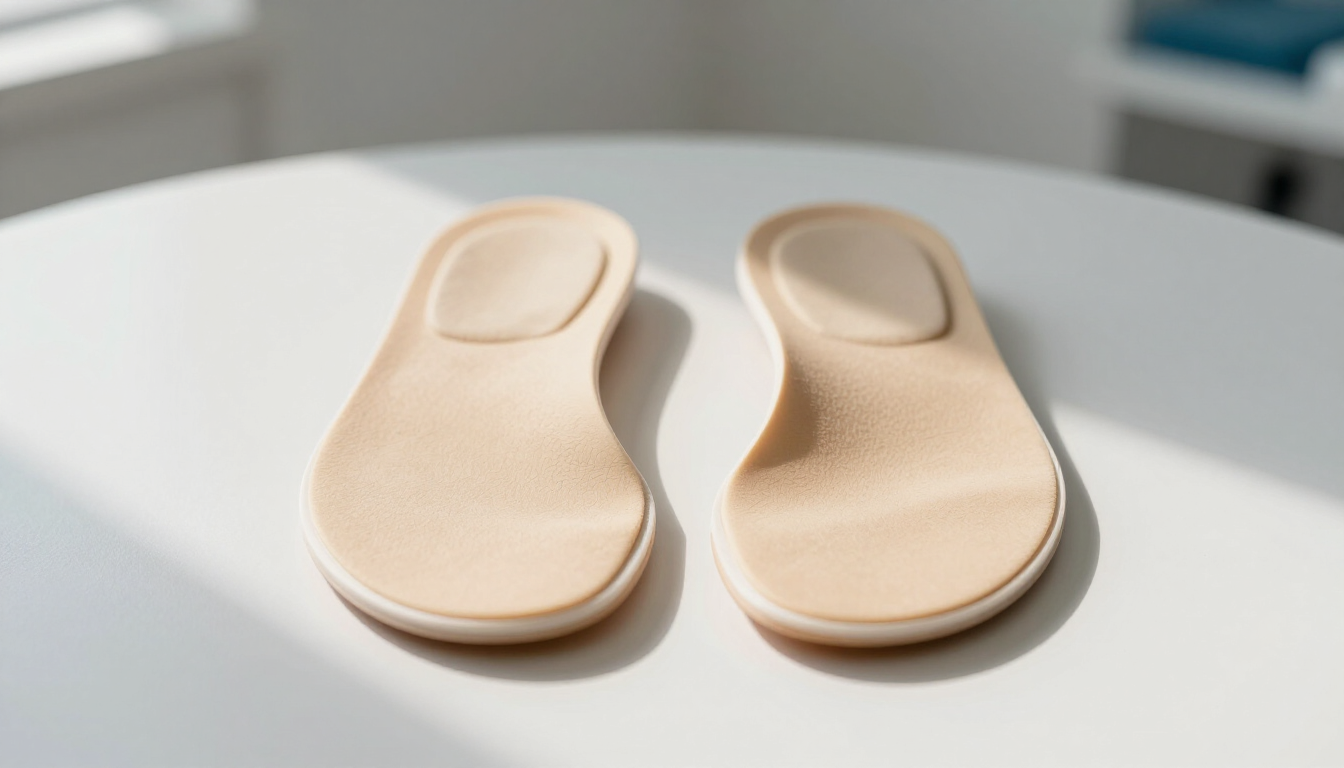
High quality custom orthotic inserts on a clean surface
July 21, 2026
Discover why custom orthotics are superior to store-bought insoles. Learn how tailor-made inserts provide pain relief, improve posture, and prevent injuries.

Flip flops and sunscreen on a sunny deck
June 18, 2026
Learn how to prevent swelling, blisters, and fungal infections this summer with our expert foot care guide. Don't let the NC heat ruin your feet!

By VIV Builder • April 9, 2026
Stay active and pain-free this Foot Health Awareness Month. Learn about heel pain, orthotics, diabetic foot care, and sports injury treatment options.

By VIV Builder • April 1, 2026
Achilles tendonitis can develop gradually, causing heel pain and stiffness that worsens over time. Learn the warning signs and how a podiatrist can help you get back on your feet.

By VIV Builder • March 5, 2026
Ingrown toenails are a common foot condition that can start as a minor irritation and quickly become painful. Learn more about how we can help with ingrown toenails.
By VIV Builder • February 19, 2026
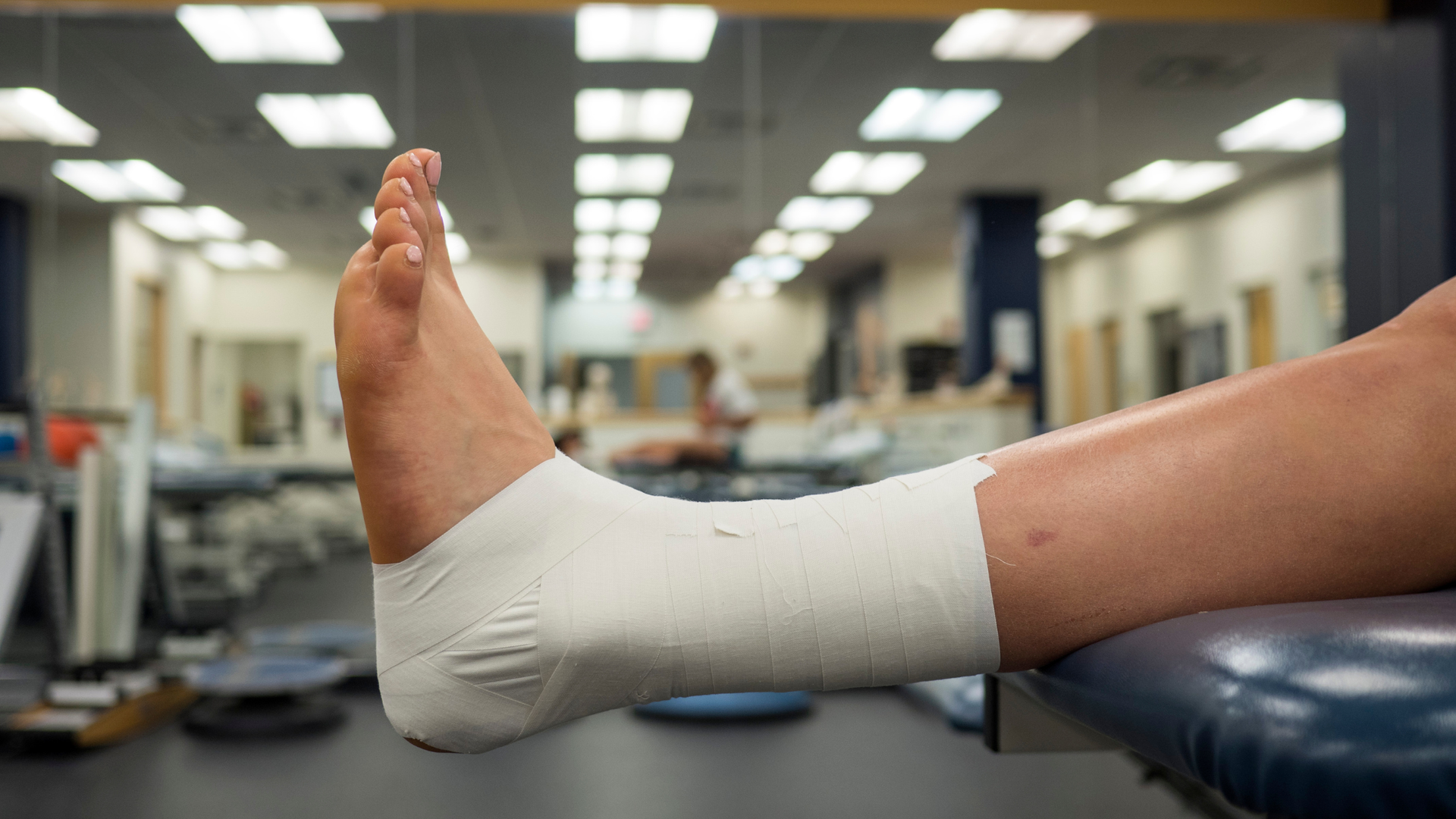
Ankle sprains are one of the most common foot and ankle injuries, yet they're often brushed off as no big deal. The truth is, even a mild sprain deserves proper care.
By VIV Builder • February 5, 2026
Show Your Feet Some Love This February

By VIV Builder • January 23, 2026
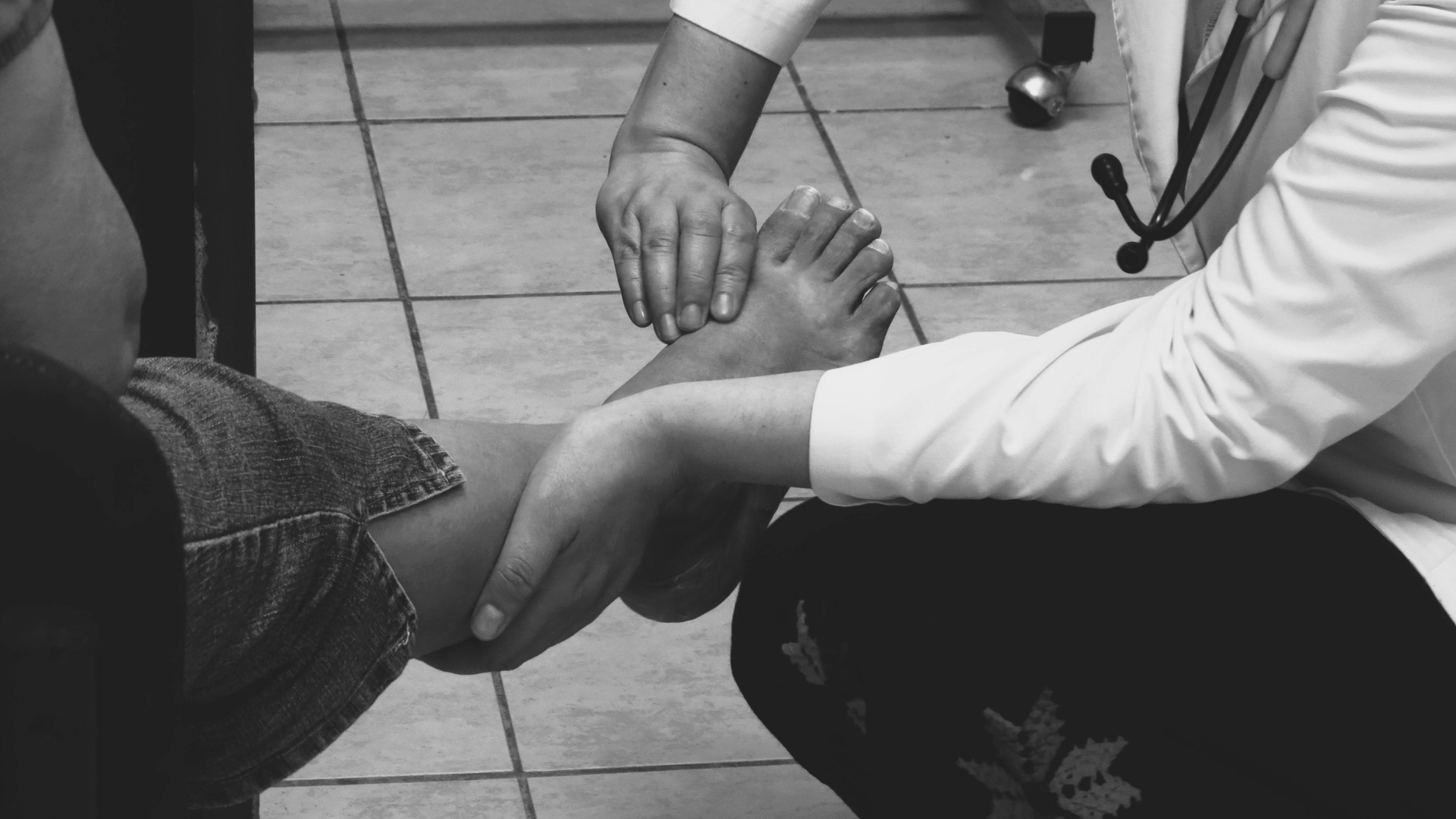
Understanding Podiatry Many people experience foot or ankle pain at some point, but they are not always sure where to turn for care. A podiatrist is a medical doctor who specializes in diagnosing and treating conditions of the foot and ankle. Their goal is to help patients move comfortably, stay active, and avoid pain that interferes with daily life. Podiatrists receive specialized medical training focused entirely on the feet and ankles. Because these areas support the entire body, even minor issues can have a big impact if left untreated. What Conditions Do Podiatrists Treat? Podiatrists treat a wide range of foot and ankle conditions for patients of all ages. From common concerns like heel pain and ingrown toenails to more complex issues such as sports injuries and diabetic foot conditions, podiatrists are trained to handle both routine and advanced care. They also address structural problems, skin and nail conditions, and injuries that affect mobility. By identifying the root cause of foot or ankle pain, podiatrists help patients find long-term relief rather than temporary fixes. When Should You See a Podiatrist? Foot pain is not something you have to live with. If you notice ongoing discomfort, changes in how you walk, or issues with your toenails or skin, it may be time to see a podiatrist. Early care can help prevent small problems from becoming more serious and can reduce recovery time. Patients with diabetes should also see a podiatrist regularly to help prevent complications and maintain foot health. What to Expect During Your Visit During a podiatry appointment, your provider will take time to understand your symptoms and lifestyle. They will examine your feet and ankles and may recommend imaging or other tests if needed. Based on their findings, they will create a personalized treatment plan tailored to your needs. Many podiatry treatments can be done in the office, allowing patients to return to normal activities quickly. Why Foot Health Matters Your feet play a major role in your overall health. Ongoing foot or ankle pain can lead to posture changes and strain on the knees, hips, and lower back. Proper foot care helps keep your entire body moving the way it should. Seeing a podiatrist is an important step in maintaining mobility and preventing future problems. Take the Next Step Toward Better Foot Health If foot or ankle pain is affecting your daily life, a podiatrist can help. With the right care and treatment, many conditions can be managed or resolved. Scheduling an appointment with a podiatrist is a simple step that can make a lasting difference in your comfort and mobility.
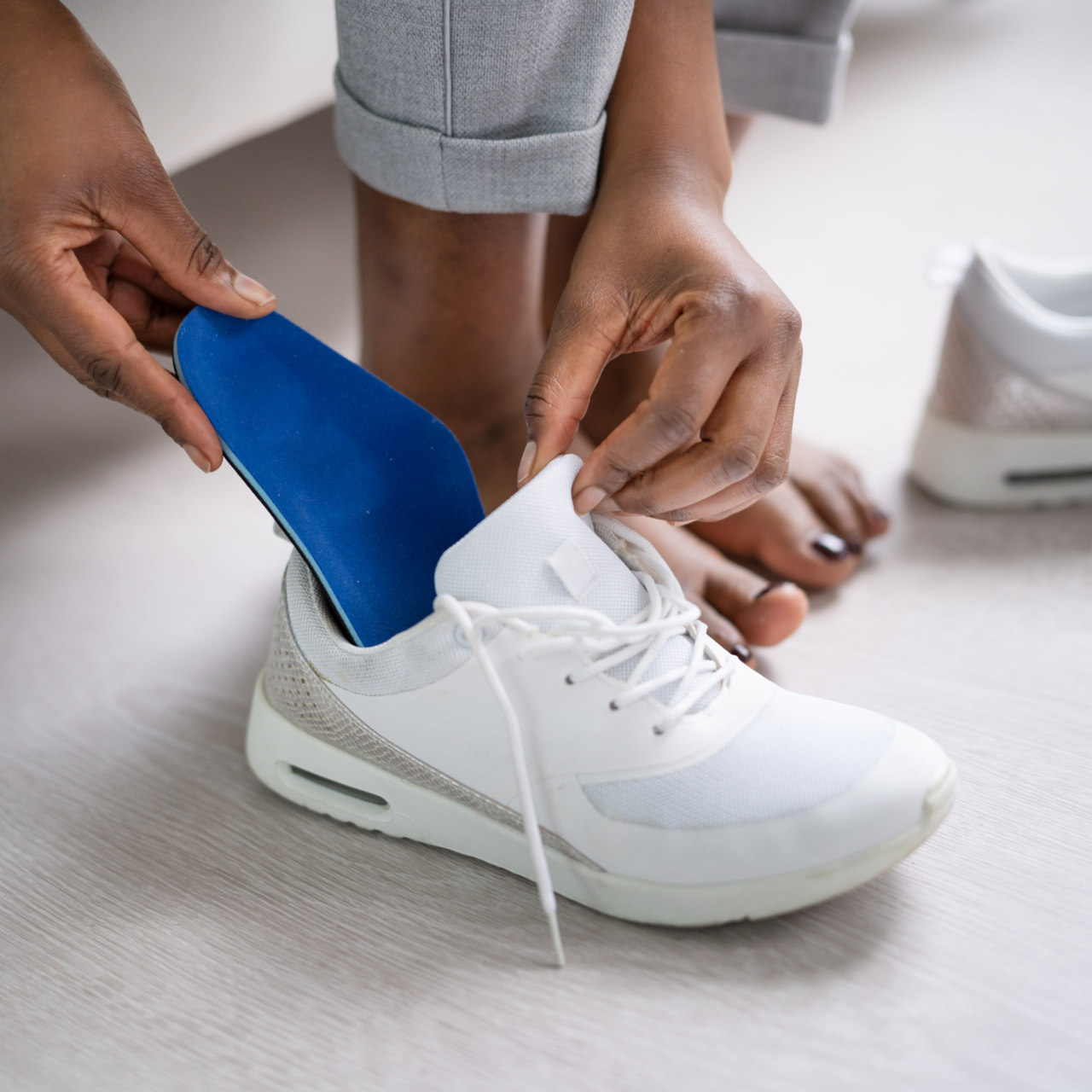
Person placing a blue orthotic in a white sneaker. Light-colored flooring and another shoe visible.
By VIV Builder • July 17, 2025
Your feet are the foundation of your entire body — when they’re not properly supported, it can lead to pain not just in your feet, but in your ankles, knees, hips, and back, too. That’s where custom orthotics come in!  What Are Custom Orthotics? Custom orthotics are medical-grade shoe inserts that are specifically designed for your unique feet, gait, and needs. Unlike over-the-counter insoles, custom orthotics are crafted based on a detailed assessment by your podiatrist, ensuring the perfect fit and support for your lifestyle. Who Can Benefit from Custom Orthotics? Custom orthotics can help people with: ✅ Flat feet or high arches ✅ Plantar fasciitis or heel pain ✅ Bunions or hammertoes ✅ Arthritis ✅ Sports injuries ✅ Foot, ankle, knee, hip, or lower back pain caused by poor alignment How Do They Work? Custom orthotics work by redistributing pressure and correcting misalignments, which helps your feet function properly and comfortably. They can also help prevent future problems by providing the support you need with every step. Ready to Feel the Difference? If you’re experiencing foot or lower body pain, custom orthotics may be the solution you’ve been looking for. Schedule an appointment today and let our foot specialists help you step into lasting comfort and support!
A woman is walking down a path in a park.
By VIV Builder • April 10, 2025
Your feet are the foundation of your body, supporting you with every step you take. We understand that maintaining foot health is crucial to your overall well-being and mobility. In honor of April being National Foot Health Awareness Month, this blog explores why foot health should never be overlooked and provides tips for keeping your feet healthy. Why Foot Health Matters The human foot is a complex structure of 26 bones, 33 joints, and over 100 muscles, tendons, and ligaments. This intricate design allows for movements such as walking, running, and jumping. However, it also means that many things can go wrong if not cared for properly. Poor foot health can lead to a range of issues from simple aches and pains to more severe conditions like plantar fasciitis or diabetic neuropathy. Moreover, problems in your feet can affect other parts of your body, including your knees, hips, and back. Tips for Maintaining Healthy Feet Regular Check-ups: Just like regular dentist visits, regular check-ups with a podiatrist, especially during National Foot Health Awareness Month, can help catch foot problems before they become serious. Proper Footwear: Wear shoes that fit well and provide good support. Different activities require different types of shoes – what you wear for running is not suitable for a day at work. Foot Hygiene: Wash your feet daily, dry them thoroughly to prevent infections, and change socks daily. Stay Active: Regular exercise helps keep your feet and body healthy. Remember to stretch your feet and ankles before and after workouts. Manage Your Weight: Extra weight puts additional pressure on your feet, increasing the risk of foot disorders. Common Foot Conditions and Treatments Plantar Fasciitis: Often felt as heel pain, treated with exercises, proper footwear, and sometimes orthotics. Bunions: Misaligned big toe joints that can become swollen and tender. Treatment options include wearing comfortable shoes, pads, and in severe cases, surgery. Diabetic Foot Care: People with diabetes need to take extra care of their feet as poor blood circulation and nerve damage can lead to serious foot problems. We believe in a proactive approach to foot health. Whether you're an athlete, a busy professional, or enjoying retirement, taking good care of your feet is a step toward a healthier life. Celebrate National Foot Health Awareness Month with us and schedule an appointment today to learn how you can better care for your feet and enhance your overall wellness.

Show More